ADVERTISEMENT
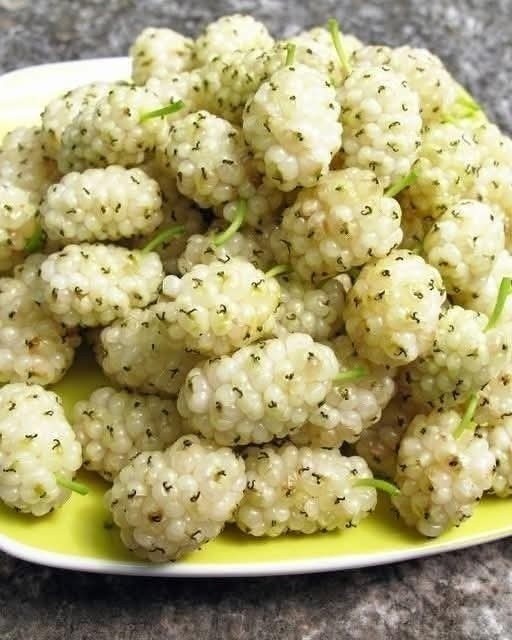
White mulberries: properties, benefits and the best recipes for using them in the kitchen
intake combined with the important content of vitamins, mineral salts and antioxidants makes mulberry a real elixir of longevity. Let’s take a closer look at why.
Properties and benefits of white mulberries
White mulberry is characterized by a limited caloric intake (approx. 43 calories per 100 grams of product) and an excellent content of natural sugars, fiber and mineral salts. Among them, iron, potassium, manganese and magnesium stand out in particular; of vitamins, there is a significant amount of vitamin C (approx. 36.4 mg), vitamin K and group B. It contains rare substances such as anthocyanins, flavonoids and resveratrol – the latter especially in the black variety – which has strong antioxidant powers, counteracts the effects of free radicals and protects the health of cells, tissues and thus the entire organism; these substances also play an important role in cardiovascular protection.
Thanks to its abundance of water and plant fibers, white mulberry has excellent laxative, cleansing and antibacterial properties. It also has anti-inflammatory, hypoglycemic – therefore it is more beneficial than other fruits in diabetes – antianemic and expectorant.
