ADVERTISEMENT
In popular culture, broad beans appear in proverbs and festivals. In some villages, agricultural festivals celebrate the harvest with cooking demonstrations, where younger generations are taught how to select, prepare and preserve broad beans. For those who grow them in their gardens, harvesting is often a source of pride: pulling out the pods, cracking them open and discovering the green seeds is an experience that is synonymous with the five seasons.
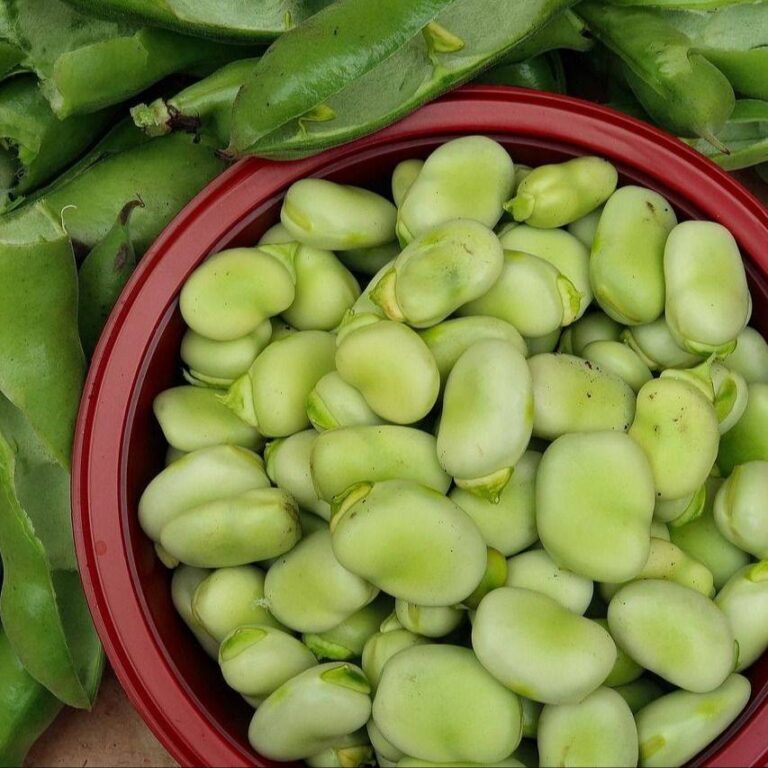
Tips for buying and cooking broad beans: Look for broad beans with bright green, smooth skin.
skin; if it has pods, it should be fresh and unblemished. Soft beans can be blanched for a few minutes to maintain their texture; ripe beans are best peeled after cooking to remove the outer skin and prevent a tougher texture. Adding them to stews at the end will help preserve their shape and nutritional value.
Broad beans also lend themselves to modern creativity: they can be added to cold soups with fresh herbs, as an alternative to broad bean hummus, or in warm salads with goat cheese and nuts. Thanks to their versatility, they can be combined with ingredients from other cuisines without losing their unique character.
In short, broad beans are more than just a legume: they symbolize tradition, taste and health. Rediscovering family recipes or trying new dishes is an invitation to taste the seasonal product that brings spring to the table. Upon request, I will prepare a step-by-step recipe with fresh broad beans in the traditional Spanish style.