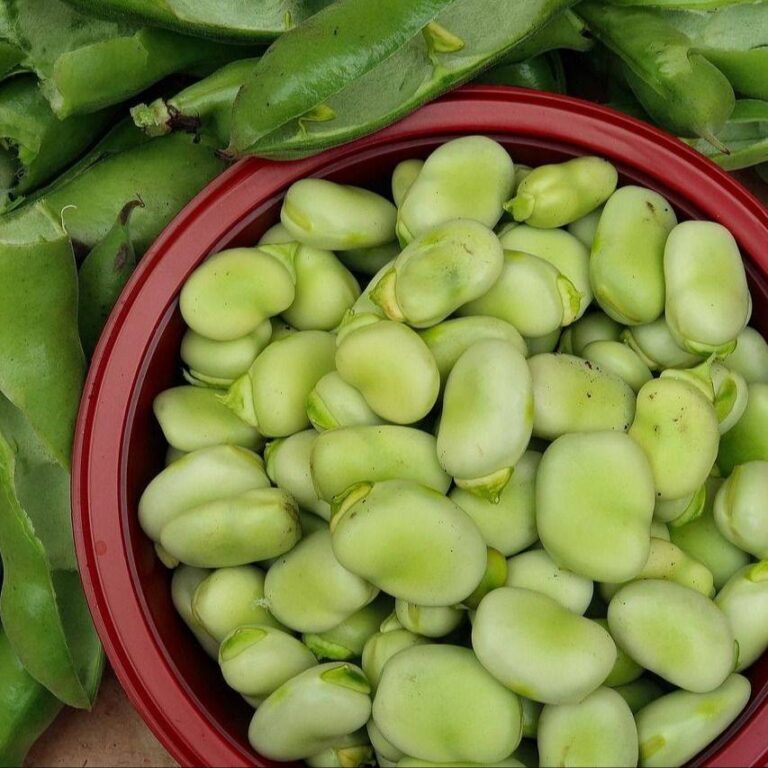
Sure – you want a 500-word Spanish post about this picture (beans/ficus?). I’m writing a post about beans, their culture, and Spanish gastronomy, in an informative and friendly tone. Here it is:
Broad beans are a jewel of traditional Spanish cuisine: simple, nutritious and delicious. In many regions, their arrival heralds spring and enlivens markets and gardens. Cultivated since ancient times, broad beans are well adapted to temperate climates and are still cultivated today in regions such as La Mancha, Castile and León, and in the Mediterranean, where they are highly valued both as early, delicate varieties and as dried varieties for storage.
Add to next page
Broad beans have many uses in Spanish cuisine. The delicious, freshly peeled beans are eaten simply blanched and seasoned with olive oil, salt and a few drops of lemon juice, which enhances their buttery texture and slightly sweet taste. They also play an important role in stews and soups: they share the table with Iberian ham
Based on their nutritional content, broad beans are an excellent source of plant-based protein, fiber, B vitamins, and minerals such as iron, magnesium, and potassium. They promote satiety and provide energy, making them a popular ingredient in a healthy vegetarian diet. Furthermore, broad beans contain beneficial compounds that, when consumed in moderation as part of a varied diet, support digestive and circulatory health.
