
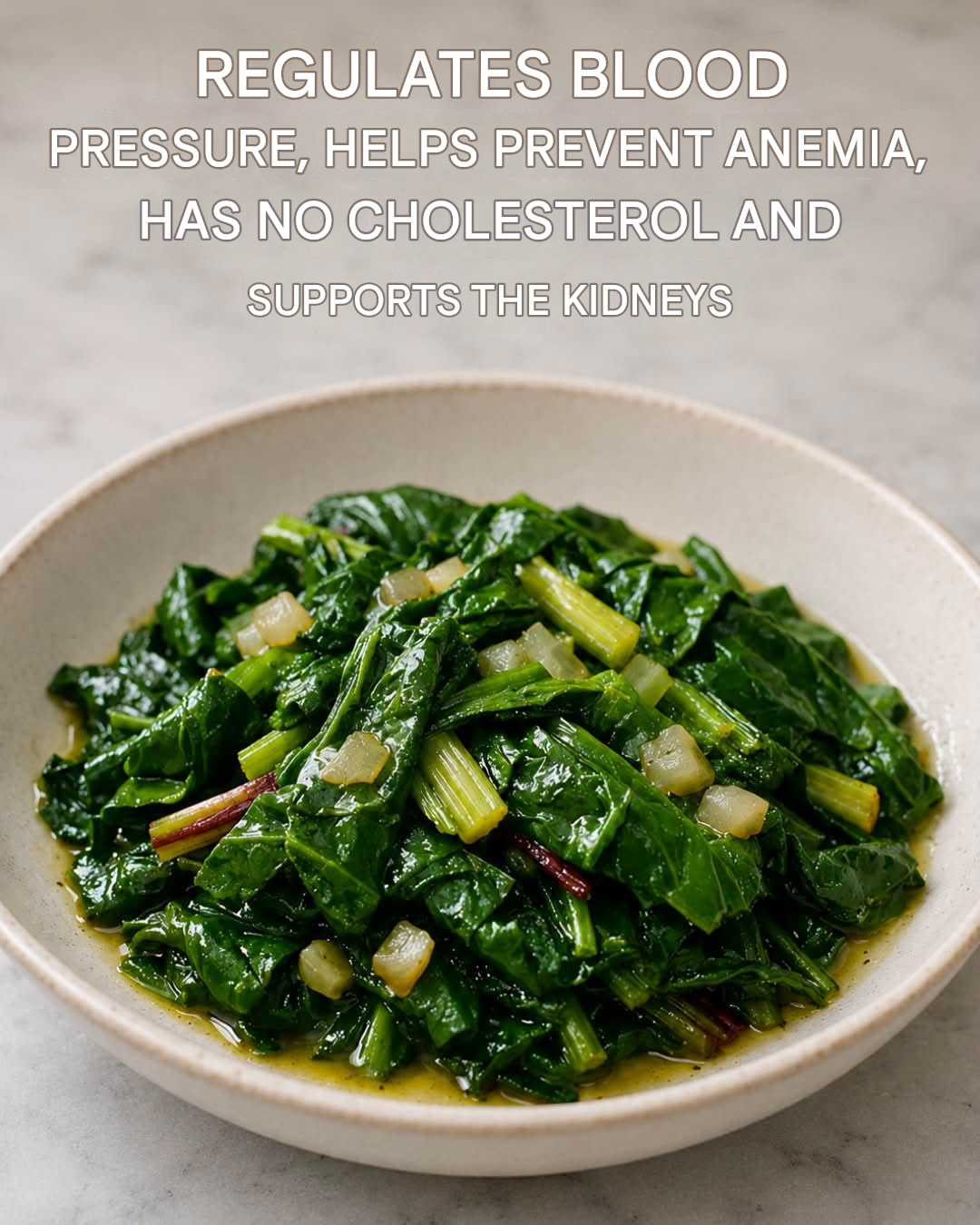
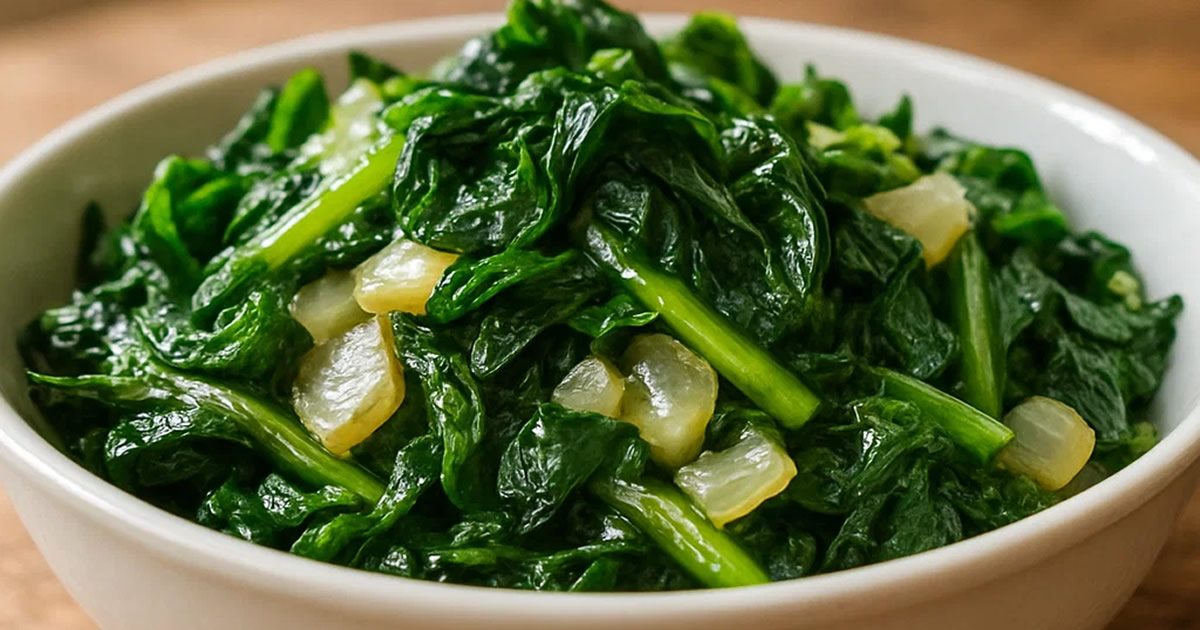
Among the easiest vegetables to find and use, Swiss chard is an ingredient that often goes unnoticed, despite its nutritional value. Its constant presence in markets and its wealth of beneficial nutrients make it an ideal vegetable for those seeking foods that support well-being naturally and without complications.
Swiss chard belongs to the Chenopodiaceae family and is recognizable by its broad, green leaves and fleshy stalks, which range in color from white to pink. It grows easily in temperate, humid climates, which is why it’s available year-round. Its constant availability allows it to be a regular addition to your diet.
Essential nutritional profile
It’s a light vegetable, rich in water and fiber, and rich in vitamins A, C, and K. It also provides several important minerals, including calcium, iron, magnesium, and potassium. This balance makes it a nutritious yet low-calorie vegetable, suitable for many dietary needs.
The natural health benefits
Intestinal health: Thanks to its fiber and high water content, it promotes regular bowel movements and supports intestinal function.
Cardiovascular system: Its good potassium content helps maintain healthy blood pressure.
Bones and nervous system: Vitamin K supports bone health, while magnesium contributes to the proper functioning of the nervous system.
Antioxidant action: It contains natural compounds that help counteract oxidative stress and inflammation.
Hydration and detoxification: Its high water and mineral content also makes it useful in detoxifying diets.
How to prepare it by optimizing its properties
The ideal way to preserve its nutrients is by steaming or using a little water. The tender leaves can be eaten raw, while the thicker stalks are perfect blanched and then sautéed. It’s a versatile ingredient that lends itself to soups, fillings, side dishes, or light gratins.
Although it’s generally well-tolerated, those suffering from oxalate stones or taking anticoagulant medications should consume it in moderation. It’s best to choose fresh, firm leaves free of yellow spots, and use them promptly.
Why introduce it into the natural diet
Swiss chard combines lightness and nutritional richness, offering natural support for daily well-being. It’s economical, easy to cook, and ideal for those seeking a more balanced diet, in tune with nature’s rhythms.
