Why Does My Nose Keep Running Indoors During Winter Even When I’m Not Sick?
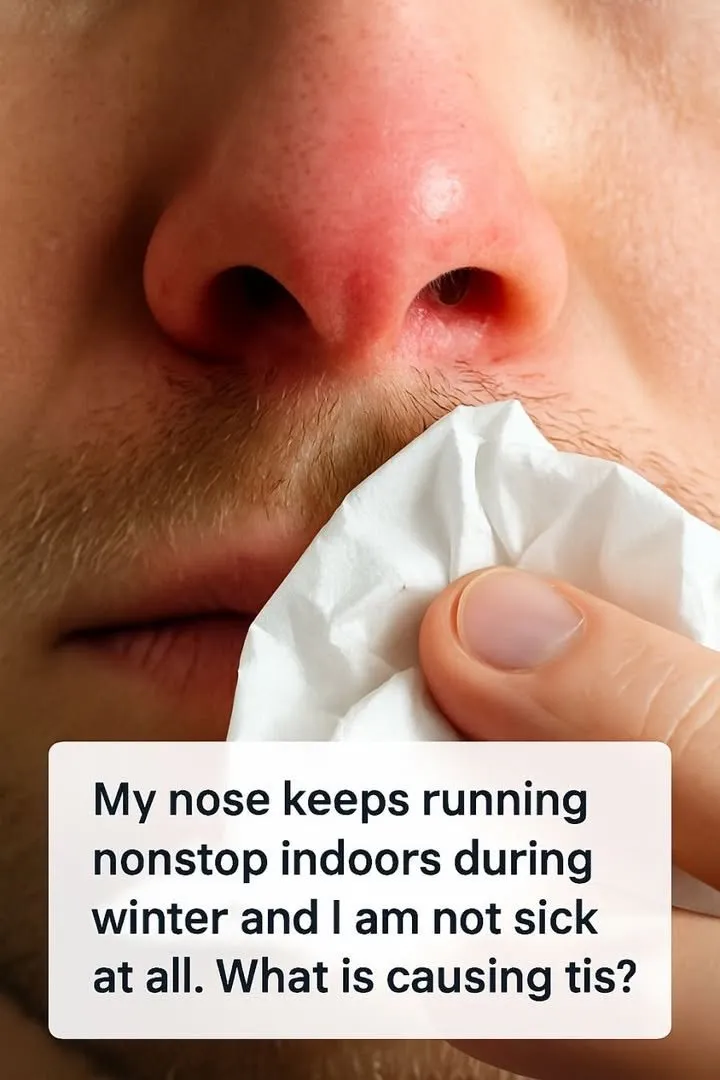
Have you ever noticed that your nose starts running almost nonstop as soon as you spend time indoors during winter—even though you feel completely healthy? You may not have a fever, sore throat, cough, body aches, or other signs of an infection, yet you constantly find yourself reaching for a tissue.
This can be surprisingly common, and being sick is not necessarily the reason. In many cases, a winter runny nose is caused by the way your nose reacts to cold temperatures, dry indoor air, heating systems, allergens, or irritants.
One possible explanation is a condition called nonallergic rhinitis. Unlike a typical cold or allergy, nonallergic rhinitis can occur when the sensitive tissues inside your nose overreact to environmental changes. Cold air is a particularly common trigger. When you move between cold outdoor temperatures and warm indoor environments, the blood vessels and nerves inside your nasal passages can respond by producing more fluid.
Cold Air Can Trigger a Runny Nose
Your nose has an important job: it warms, humidifies, and filters the air before it reaches your lungs. During winter, the air is often cold and contains less moisture.
When you breathe cold, dry air, your nasal passages work harder to warm and humidify it. As part of this process, the nose may produce additional mucus. That mucus can become noticeable as a persistent watery discharge.
Interestingly, this reaction can continue even after you enter a warm room. Your nose does not instantly adjust to the change in temperature, so you may experience a runny nose while sitting comfortably indoors.
Indoor Heating May Make Things Worse
Winter heating can also contribute. Furnaces, heaters, and radiators warm indoor air, but heating can reduce relative humidity. Very dry air may irritate the delicate lining of your nose.
Your body may respond by producing more mucus to protect and moisturize the nasal passages. This can create an annoying cycle: the colder weather causes irritation, indoor heating dries the air, and your nose responds by becoming more active.
If your symptoms are noticeably worse in heated rooms but improve when you leave the building, indoor air conditions may be playing an important role.
Dust and Indoor Allergens Could Be Another Cause
Winter often means spending more time indoors, which can increase exposure to certain household allergens. Dust mites, pet dander, mold, and accumulated dust can all trigger nasal symptoms in sensitive people.
Allergic rhinitis may cause a runny or blocked nose, sneezing, itchy eyes, watery eyes, or an itchy throat. Unlike a common cold, allergies can persist for weeks or months rather than disappearing within several days.
One clue is the pattern of your symptoms. If you repeatedly experience sneezing, itching, and watery eyes when entering a particular room or home, an indoor allergen could be contributing.
Your Heating System May Be Circulating Irritants
Heating and ventilation systems can circulate particles throughout a home. Dust that has accumulated in vents, filters, carpets, bedding, or furniture may become airborne when the system operates.
Strong fragrances, cleaning products, smoke, perfumes, and other airborne irritants can also trigger a runny nose without causing an actual infection.
This is another reason why you might feel perfectly healthy while still needing tissues throughout the day.
It May Be Nonallergic Rhinitis
Nonallergic rhinitis is particularly interesting because it can look similar to allergies, but the underlying trigger is different.
People with nonallergic rhinitis may develop nasal symptoms in response to temperature changes, cold air, strong smells, smoke, pollution, spicy foods, or other environmental factors. The immune system is not necessarily responding to an allergen.
The nose contains an extensive network of nerves and blood vessels. In some people, these systems are especially sensitive. Environmental changes can therefore cause congestion or excessive watery mucus even when there is no infection.
What Can You Do About It?
If your winter runny nose is mild, several simple changes may help.
First, consider keeping indoor humidity at a comfortable level. A humidifier may help if the air inside your home is particularly dry, although humidifiers need regular cleaning to prevent mold and bacterial growth.
You can also try a saline nasal spray or saline rinse to help moisturize the nasal passages and wash away irritants. If you use a nasal rinse device, use appropriately prepared water according to the product instructions.
Keeping your home reasonably clean can also reduce exposure to dust and other irritants. Washing bedding regularly, cleaning dusty surfaces, and replacing heating or ventilation filters when appropriate may be useful.
If cold air is a major trigger, covering your nose and mouth with a scarf when going outside can help warm the air before you breathe it.
When Should You See a Doctor?
A runny nose by itself is usually not an emergency, especially when you otherwise feel well. However, persistent or severe symptoms deserve medical attention if they interfere with your sleep, work, exercise, or everyday activities.
You should also seek professional advice if your symptoms are accompanied by difficulty breathing, significant facial pain, persistent fever, recurrent nosebleeds, or thick or foul-smelling nasal discharge.
A healthcare professional can help determine whether allergies, nonallergic rhinitis, sinus problems, medications, or another condition is responsible.
The Bottom Line
A nose that keeps running indoors during winter does not automatically mean you are sick. Cold air, dry indoor heating, temperature changes, household allergens, dust, fragrances, and nonallergic rhinitis can all cause persistent nasal symptoms.
Pay attention to when the problem happens. Does it begin when the heater turns on? Does it occur in one particular room? Is it worse after going outside in cold weather? Do you also sneeze or experience itchy, watery eyes?
Identifying the pattern can provide important clues about the cause.
So, if you are otherwise feeling healthy but find yourself constantly reaching for a tissue during winter, your nose may simply be reacting to its environment. Making the indoor air more comfortable, reducing potential irritants, and using saline products may help. If the problem continues or becomes disruptive, discussing it with a healthcare professional can help identify the exact cause and the most appropriate treatment.
