Why Slow Cookers Work So Well for Some Foods
After seeing this list, it might seem like there are more foods you shouldn’t slow-cook than foods you should. Fortunately, that’s not the case.
Slow cookers are particularly well suited to ingredients that benefit from long, moist cooking. Tough cuts of beef, pork shoulder, chicken thighs, beans that have been properly prepared, root vegetables, soups, stews, and chili are excellent examples.
The appliance essentially gives connective tissue and tough ingredients time to soften gradually. Instead of rushing dinner over high heat, you allow the flavors to develop while the food cooks gently.
The key is understanding that slow cooking is a cooking method, not a universal replacement for every other cooking method.
How to Get Better Results From Your Slow Cooker
A few simple habits can make a major difference.
Thaw meat first. Keep perishable ingredients refrigerated until you’re ready to cook, and thaw frozen meat safely before placing it in the slow cooker.
Don’t keep lifting the lid. Every time you remove the lid, heat escapes and the cooking process is interrupted.
Don’t overfill the cooker. Follow the manufacturer’s guidance for the appropriate fill level so that the food heats properly.
Use the right vegetables. Put firm vegetables such as carrots and potatoes in early and save delicate vegetables for later.
Add finishing ingredients at the end. Fresh herbs, dairy, cooked pasta, crispy toppings, and similar ingredients often taste much better when added shortly before serving.
Choose the right cut of meat. Tougher, well-marbled cuts usually benefit more from long cooking than very lean cuts.
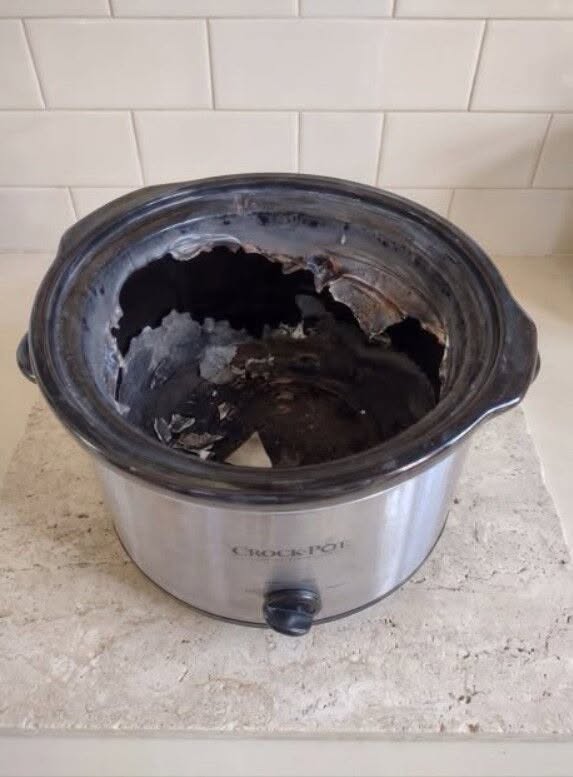
Pay attention to your appliance. If the ceramic insert is cracked, severely chipped, or visibly deteriorating, don’t continue using it simply because the cooker still turns on. Consult the manufacturer’s guidance about replacement.
The Biggest Lesson: Timing Matters
The most important thing to remember is that ingredients don’t all cook at the same speed.
A slow-cooker recipe works best when every ingredient is added at the point when it will reach the desired texture. Meat may need several hours, while shrimp might need only a few minutes.
A potato can tolerate extended cooking, while fresh spinach can wilt almost immediately.
That’s why successful slow-cooker cooking isn’t really about putting everything into one pot and walking away. It’s about knowing which ingredients can handle the journey and which ones need to arrive near the finish line.
Conclusion :
Slow cookers remain one of the most convenient tools in the kitchen, but convenience shouldn’t mean treating every ingredient exactly the same way. The best results come from understanding what prolonged, moist heat does to different foods.
Frozen meat should be thawed before slow cooking for food-safety reasons, while pasta and ordinary rice are usually better prepared separately. Seafood, fresh herbs, delicate vegetables, and crispy ingredients often need to be added later or cooked by another method.
Dairy products can also benefit from being introduced near the end, while lean cuts of meat may become dry if left cooking for too long.
And don’t overlook the slow cooker itself. The damaged-looking appliance in the picture is a good reminder that kitchen equipment needs care too. A cracked or badly deteriorated cooking insert isn’t something to ignore just because the machine still works.
The beauty of slow cooking is that it can turn inexpensive, tough ingredients into incredibly tender and flavorful meals with very little hands-on work.
The trick isn’t knowing how to put everything in the slow cooker—it’s knowing what belongs there, what should wait, and what should stay out altogether.
With that little bit of knowledge, your slow cooker can continue doing what it does best: creating comforting, flavorful meals without making dinner complicated.
