White Mulberries: Nutritional Benefits, Traditional Uses, and What Science Really Says
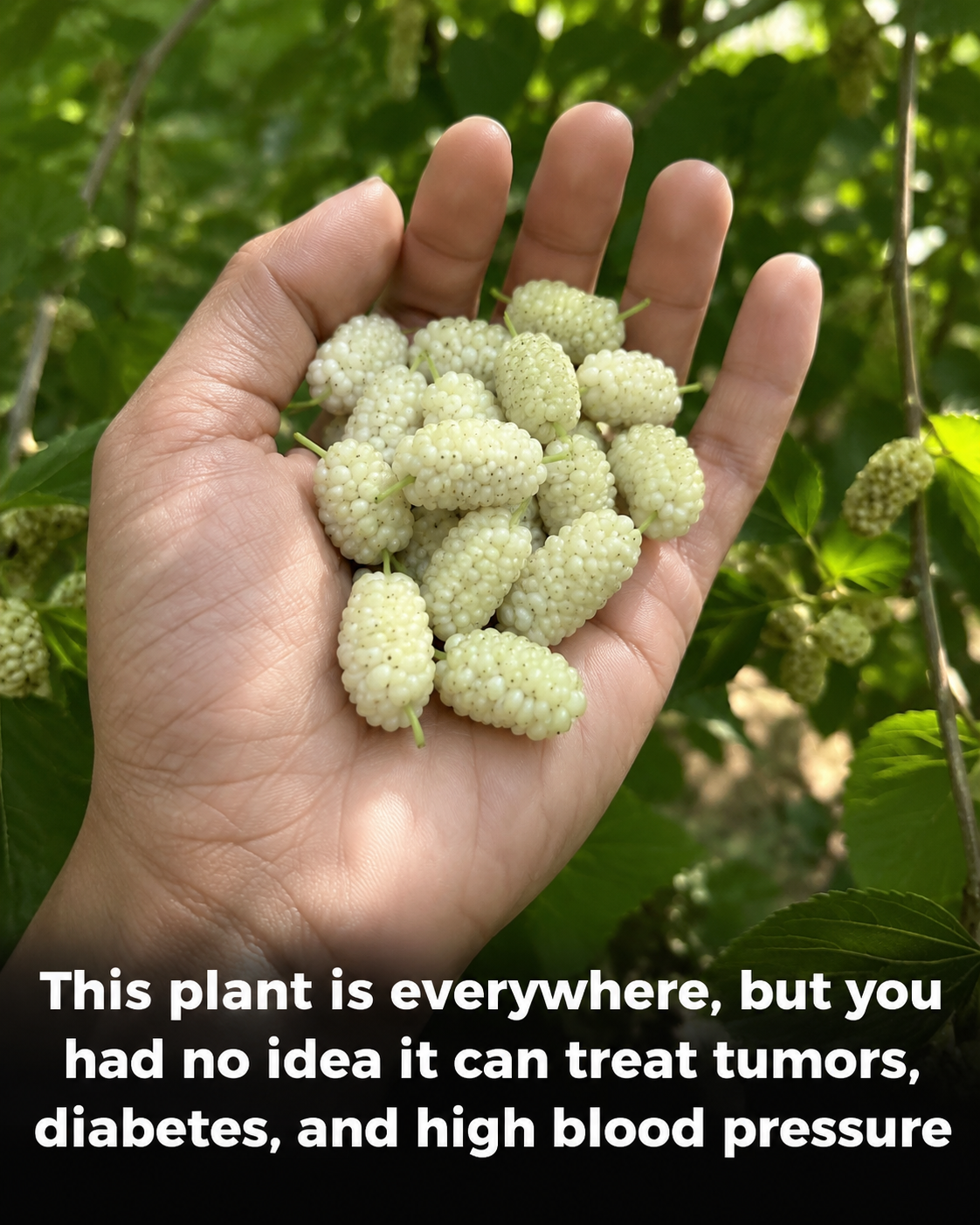
White mulberries are small, elongated fruits that grow on mulberry trees and are often recognized by their pale cream or white color. They may look simple and ordinary, but these fruits contain a variety of nutrients and naturally occurring plant compounds that have attracted scientific interest. In many parts of the world, mulberries have been enjoyed fresh, dried, or incorporated into traditional foods and herbal practices for generations.
Although social media posts sometimes claim that white mulberries can “treat tumors, diabetes, and high blood pressure,” these statements should be viewed carefully. Eating mulberries can be part of a healthy diet, but there is not enough evidence to say that they cure cancer, diabetes, or hypertension. Instead, research has explored whether certain compounds found in mulberries may support metabolic and cardiovascular health.
What Are White Mulberries?
White mulberries come from species of the Morus genus, particularly Morus alba. Despite their name, the ripe fruits are not always pure white. Depending on the variety and stage of ripeness, they can appear cream, pale green, pink, or light purple.
The fruit consists of many tiny rounded sections clustered together, creating its distinctive elongated appearance. Fresh white mulberries are generally soft and sweet, while dried mulberries become chewier and more concentrated in flavor.
Mulberry trees are also important because their leaves are traditionally used to feed silkworms. The fruit, leaves, and other parts of the plant have been used in different traditional systems, although their uses and preparations vary considerably.
Nutritional Value of Mulberries
One of the most practical reasons to include mulberries in a balanced diet is their nutritional content. Fresh fruit provides carbohydrates, natural sugars, fiber, vitamins, minerals, and various plant compounds.
Mulberries also contain antioxidants, including compounds such as anthocyanins and other polyphenols, although the amounts can vary depending on the variety and ripeness. Antioxidants help protect cells from oxidative stress, which occurs naturally in the body.
Fresh fruit also contains water, making it a lighter choice than many processed snacks. Dried mulberries, however, contain considerably less water and therefore have a more concentrated amount of natural sugar and calories per serving.
Possible Blood Sugar Benefits
Mulberries have received particular scientific attention for their potential effects on blood sugar metabolism. Some compounds in mulberry leaves and fruits may influence the digestion or absorption of carbohydrates.
One compound frequently studied in white mulberry is 1-deoxynojirimycin, or DNJ. Research suggests that DNJ may inhibit certain enzymes involved in carbohydrate digestion, potentially slowing the breakdown of starches into sugars.
This has led researchers to investigate mulberry preparations in relation to blood glucose control. However, laboratory findings and small human studies do not mean that eating white mulberries can replace diabetes medication or medical treatment.
People with diabetes should also remember that mulberries contain natural carbohydrates. Portion size remains important, particularly when consuming dried fruit.
Heart and Blood Pressure Research
A diet rich in fruits is generally associated with better cardiovascular health, and mulberries can contribute to overall fruit intake. Their fiber and plant compounds may be useful components of a heart-conscious eating pattern.
Some experimental research has investigated mulberry extracts for possible effects on blood pressure, cholesterol, inflammation, and oxidative stress. These findings are interesting, but more high-quality human research is needed before specific cardiovascular benefits can be confirmed.
If someone has high blood pressure, eating fruit is a healthy dietary choice, but mulberries should not be considered a treatment for hypertension. Prescribed medication, regular monitoring, physical activity, weight management when appropriate, and a balanced diet remain important.
What About Tumors and Cancer?
This is one area where exaggerated claims are especially important to avoid.
Laboratory research has examined compounds found in mulberries for antioxidant, anti-inflammatory, and potentially anticancer activities. Certain extracts have demonstrated effects against cancer-related processes in cells or experimental models.
However, a substance affecting cancer cells in a laboratory is very different from proving that a fruit can treat cancer in humans. There is currently no reliable basis for telling people that white mulberries cure tumors or should replace cancer treatment.
Anyone diagnosed with cancer should follow the treatment plan recommended by qualified healthcare professionals. Eating nutritious fruits such as mulberries may be part of a healthy lifestyle, but they should not be promoted as a substitute for surgery, chemotherapy, radiation, targeted therapy, immunotherapy, or other appropriate medical care.
Traditional Uses
Mulberries have a long history of traditional use in various cultures. Different parts of the plant have been prepared as foods, teas, or herbal products. Traditional practices can provide interesting clues for scientific research, but traditional use alone does not establish that a particular remedy is effective or safe for treating a disease.
Modern research continues to investigate mulberry leaves, fruits, roots, and extracts because they contain numerous biologically active compounds. Scientists are particularly interested in polyphenols, flavonoids, and other plant chemicals.
It is important to distinguish between eating a whole fruit and taking a concentrated herbal extract. Extracts can contain much higher concentrations of certain compounds and may have different effects or interactions.
How to Enjoy White Mulberries
Fresh white mulberries can be eaten on their own after being gently washed. Their naturally sweet flavor makes them suitable for breakfast bowls, yogurt, oatmeal, smoothies, and fruit salads.
Dried mulberries can also be added to cereal, homemade granola, trail mixes, or baked goods. Because dried fruit is concentrated, a modest serving is generally more appropriate than eating large quantities.
Another simple option is combining fresh mulberries with other fruits, nuts, seeds, or plain yogurt. This creates a snack containing a broader range of nutrients.
Safety and Important Considerations
For most people, ordinary amounts of mulberry fruit can fit comfortably into a varied diet. However, individuals taking medications for blood sugar or blood pressure should be cautious about concentrated mulberry supplements or extracts because they may potentially affect glucose or blood pressure.
Anyone who experiences an allergic reaction after eating mulberries should stop consuming them and seek appropriate medical advice.
Pregnant or breastfeeding individuals, children, and people taking multiple medications should consult a healthcare professional before using concentrated herbal preparations.
The Bottom Line
White mulberries are more than an attractive fruit growing on a tree. They provide fiber, nutrients, antioxidants, and naturally occurring plant compounds that researchers continue to study. Early research has produced interesting findings concerning blood sugar metabolism, cardiovascular health, inflammation, and other biological processes.
However, promising research should not be confused with proven medical treatment. White mulberries cannot currently be described as a cure for tumors, diabetes, or high blood pressure.
The best way to enjoy them is as part of an overall nutritious eating pattern that includes vegetables, fruits, whole grains, legumes, nuts, seeds, adequate protein, and appropriate hydration. If you have a medical condition, use mulberries as food rather than relying on them as medicine, and discuss concentrated supplements or herbal products with your healthcare professional.
In short, white mulberries can be a delicious and nutritious addition to the diet, while their potential health effects remain an interesting subject for continued scientific research.
