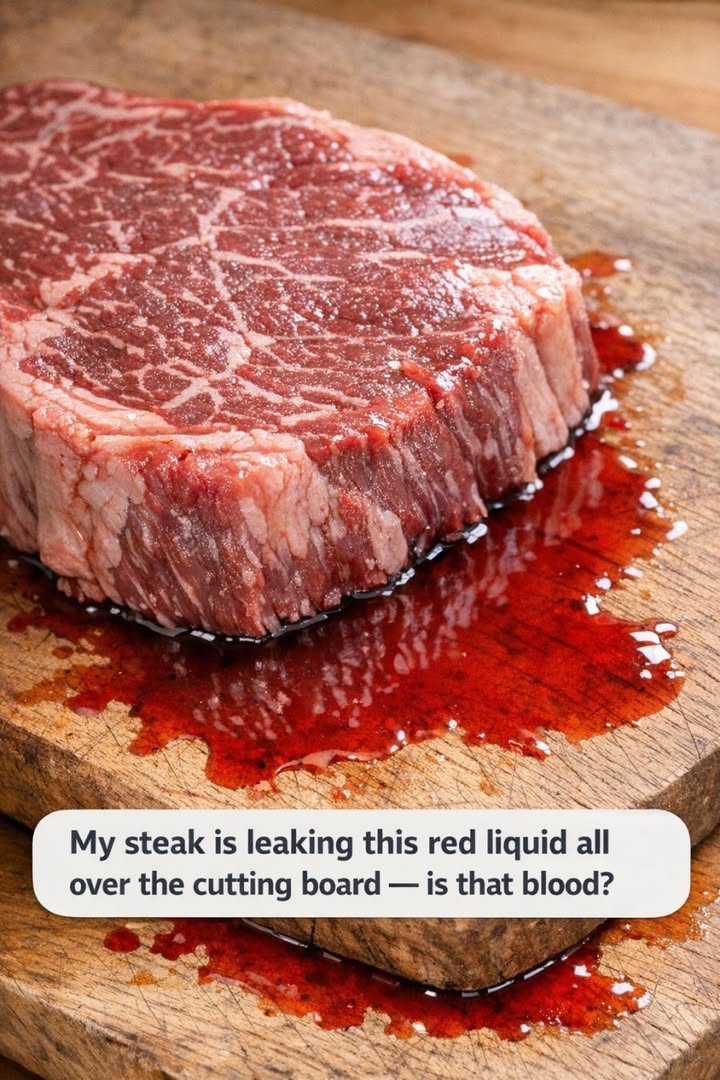
Picture this: you’re about to enjoy a perfectly cooked steak, but as you slice into it, a red liquid spills out, pooling on your cutting board. Instantly, a common question arises — is this blood? Many steak lovers have pondered this very question, often associating the red hue with blood, leading to unnecessary worries about the meat’s safety and quality.
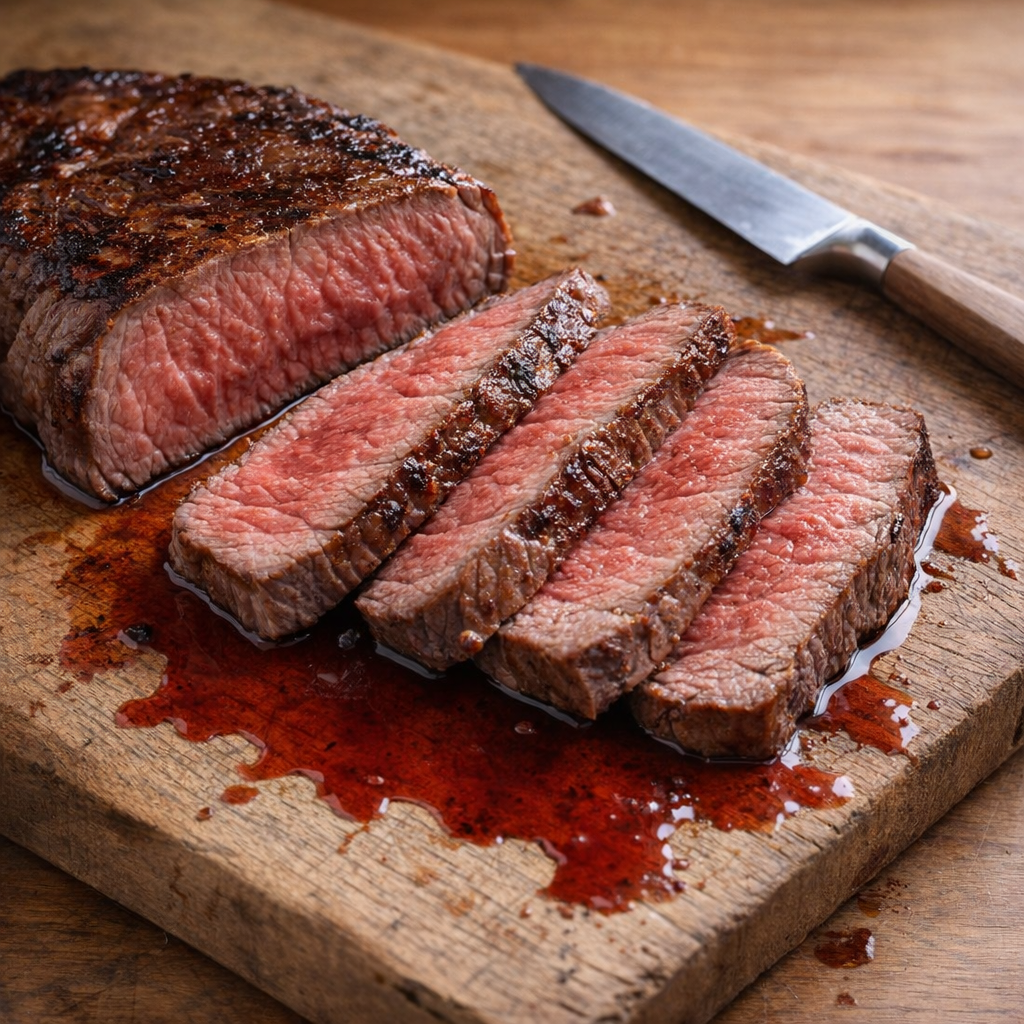
In reality, the red liquid you’re seeing is far from what you might think. Understanding what it truly is can dispel myths and enhance your appreciation for a perfectly cooked steak. Let’s dive into the science behind that red liquid and why your steak may seem to ‘bleed’ after cooking.
1. What That Red Liquid Actually Is (Hint: It’s Not Blood)
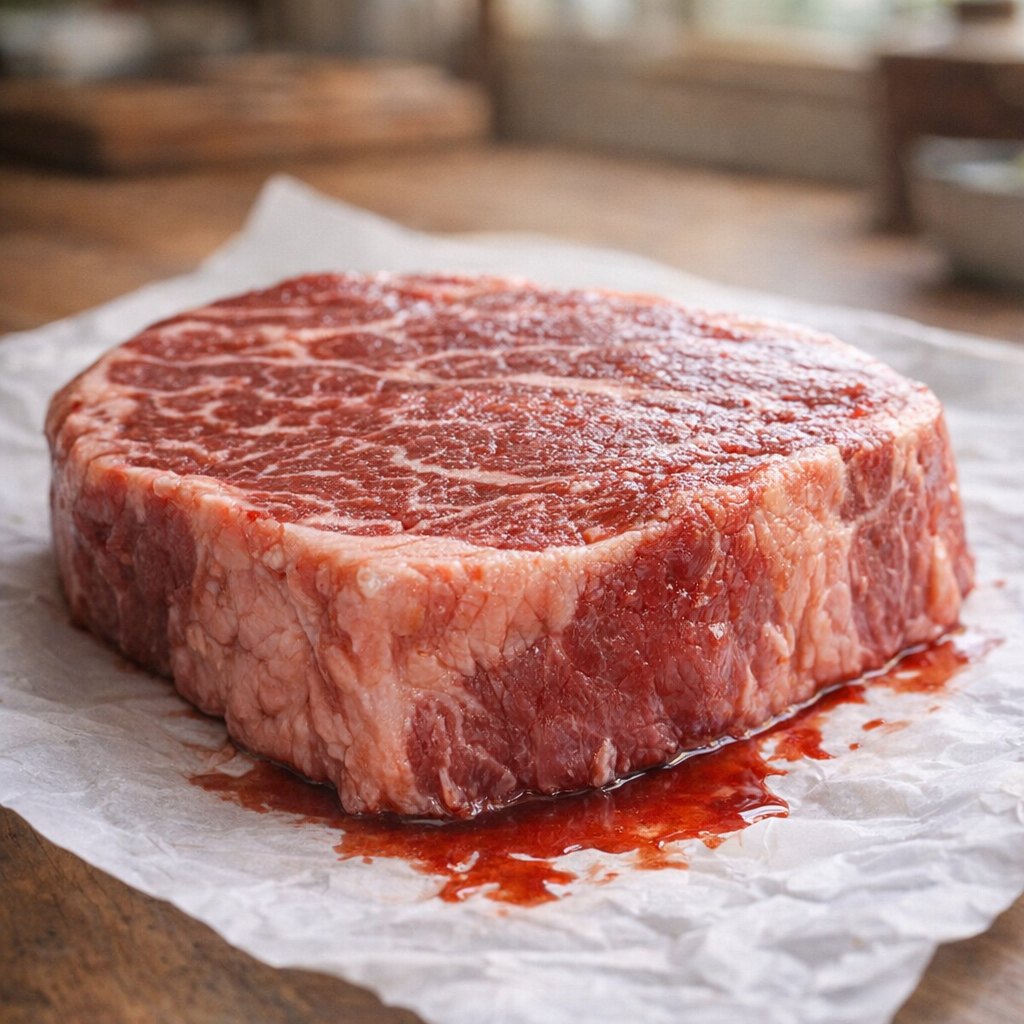
Contrary to popular belief, the red liquid oozing from your steak is not blood. The majority of blood is drained from meat during the slaughtering process. What you see is primarily water mixed with a protein called myoglobin. This protein is responsible for transporting oxygen in muscle tissues and gives meat its red color.
Myoglobin levels vary depending on the type of meat and the age of the animal. For instance, beef has more myoglobin than chicken, which explains why beef is redder. This red liquid is a natural part of the muscle tissue and is entirely safe to consume.
2. Meet Myoglobin: The Protein Behind The Red Color
